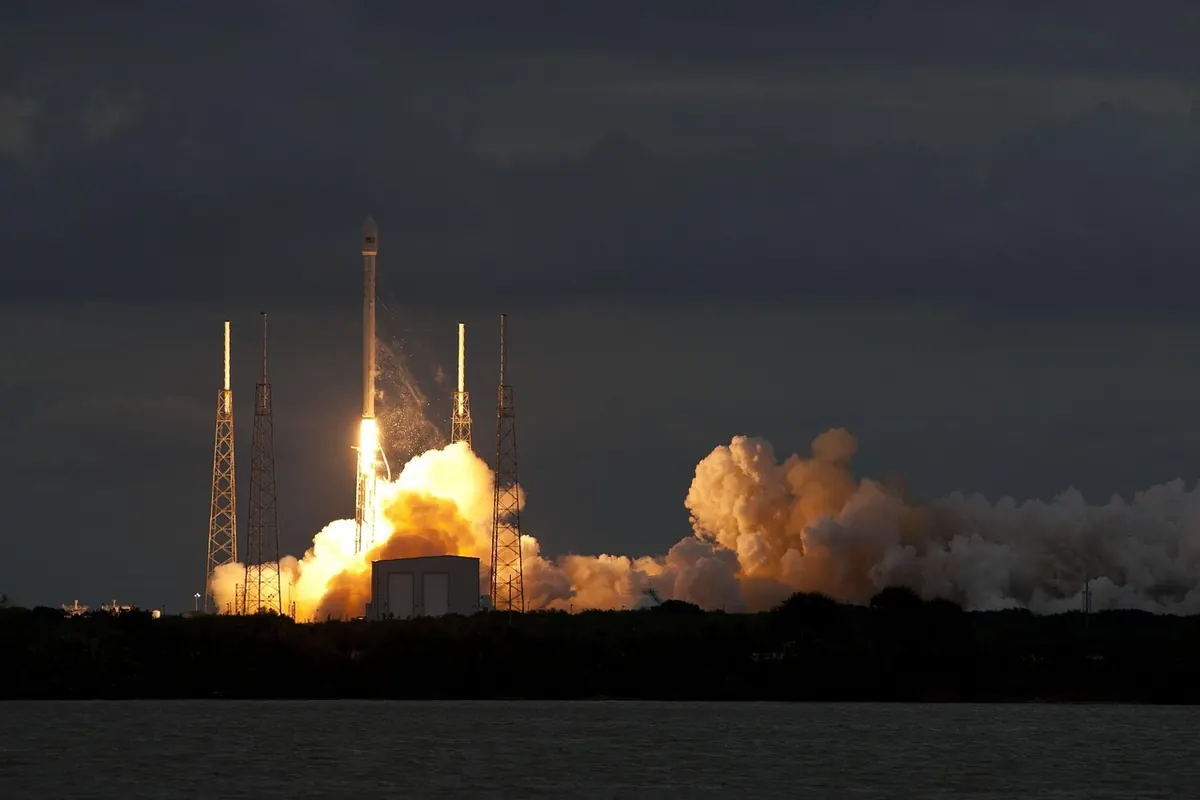
For most of the space age, watching a rocket leave the ground meant a livestream from Florida or a long-haul flight. That is changing. Britain now has licensed spaceports, a small but serious cluster of launch companies, and a calendar that occasionally produces something you can follow from your sofa — or from a hillside in the far north, if you plan it properly.
The caveat comes first, because it shapes everything else. Orbital launch from UK soil is still new and, so far, unproven. In January 2023, Spaceport Cornwall hosted the UK's first orbital attempt, when a Virgin Orbit LauncherOne was released from beneath a modified Boeing 747. The release worked; the rocket did not reach orbit. Attention has since moved north, to vertical launch sites in Shetland and the Scottish Highlands. So the answer to "when can I watch a UK launch?" is a slightly awkward one: occasionally, at short notice, and often on a webcast.
Where the UK launches from
Several sites matter, and they are at very different stages of readiness.
- SaxaVord Spaceport, Unst, Shetland. The most advanced of the vertical launch sites, on Britain's most northerly inhabited island. It holds a range licence from the Civil Aviation Authority and has been built for small orbital rockets, with several European launch companies working towards flights from its pads.
- Sutherland Spaceport, A' Mhòll, north coast of Scotland. A site near Tongue, developed with Orbex's Prime rocket in mind. Timelines here have shifted more than once, so treat any date as provisional.
- Spaceport Cornwall, Newquay. Built around horizontal launch — a carrier aircraft releasing a rocket at altitude. Its first attempt did not reach orbit, and the site's future direction has changed since.
- Prestwick Spaceport, Ayrshire. Also pursuing horizontal launch, with plans rather than a launch record so far.
- Snowdonia Aerospace Centre, Llanbedr. Used for test flights and suborbital work rather than orbital launches.
- Proposed sites including Spaceport 1 on North Uist and Machrihanish near Campbeltown, both of which remain proposals rather than working launch facilities.
The Civil Aviation Authority licenses UK launch and range activity; the UK Space Agency is the other body worth following for official news. If you want certainty about whether a site is actually operating, those two are better sources than a headline.
What is launching, and when
The near-term business is small: suborbital sounding rockets, engine tests, and eventually small satellites heading to low Earth orbit. That means the most common "launch" you can watch from Britain is a static fire or a test flight, not a satellite deployment.
Schedules move constantly, and for ordinary reasons: weather, airspace and maritime closures, licensing conditions, range availability, and the fact that testing is where hardware tends to break. A static-fire test at SaxaVord in 2024 ended in a serious fire that destroyed the stage being tested. Nobody was hurt, but it is a useful reminder that a test campaign can be halted for months at a time.
Treat every published date as an intention rather than a promise. The launch window is often the most interesting part of a launch, because that is when the decisions get made.
Watching online
Webcasts are where most UK launch-watching actually happens, and the good news is that the coverage is better than it has ever been. For UK flights, start with the launcher company's own channel and the spaceport's social accounts — they usually announce streams and, more importantly, announce scrubs. For international launches, ESA Web TV, NASA's streaming service and the major launch providers all run their own feeds, and independent outlets such as NASASpaceflight often cover smaller missions that the big broadcasters skip.
A few habits make online viewing better. Tune in ten to fifteen minutes before the scheduled time so you catch the poll and the hold. Keep a second tab open for the launch schedule so you know whether a delay is minutes or hours. If commentary is distracting, mute it — the countdown and the telemetry tell you most of what you need. And if a launch is scrubbed, that is normal, not a failure of your evening's planning.
Useful tools include the Next Spaceflight app, Spaceflight Now's launch schedule, and the calendar feeds published by the major agencies. Filter by site if you only care about UK activity, and set alerts rather than refreshing pages.
Watching in person
Getting there
Shetland is the big one, and it is a commitment. You reach the islands either by overnight ferry from Aberdeen to Lerwick or by flying to Sumburgh, then drive north. Unst needs two more ferries — Toft to Ulsta, then Gutcher to Belmont — and the crossings are short but can be weather-dependent. Book ferries and accommodation early; island accommodation fills quickly once a launch date is being discussed publicly.
Sutherland is simpler by road, but the roads are single-track with passing places, and the nearest towns are small. Arrive in daylight and know where you are parking before you get there.
Where to stand
Do not assume you can walk up to a pad. Spaceports are working industrial sites with security, and closures are enforced. Look for designated viewing areas, public car parks and roadside spots with safe access, and check local guidance on the day. Scotland's access rights are generous, but they do not override safety cordons, temporary closures or the needs of crofting and wildlife. The north coast has protected breeding sites; keep dogs on leads and give birds a wide berth between spring and late summer.
Weather, light and sound
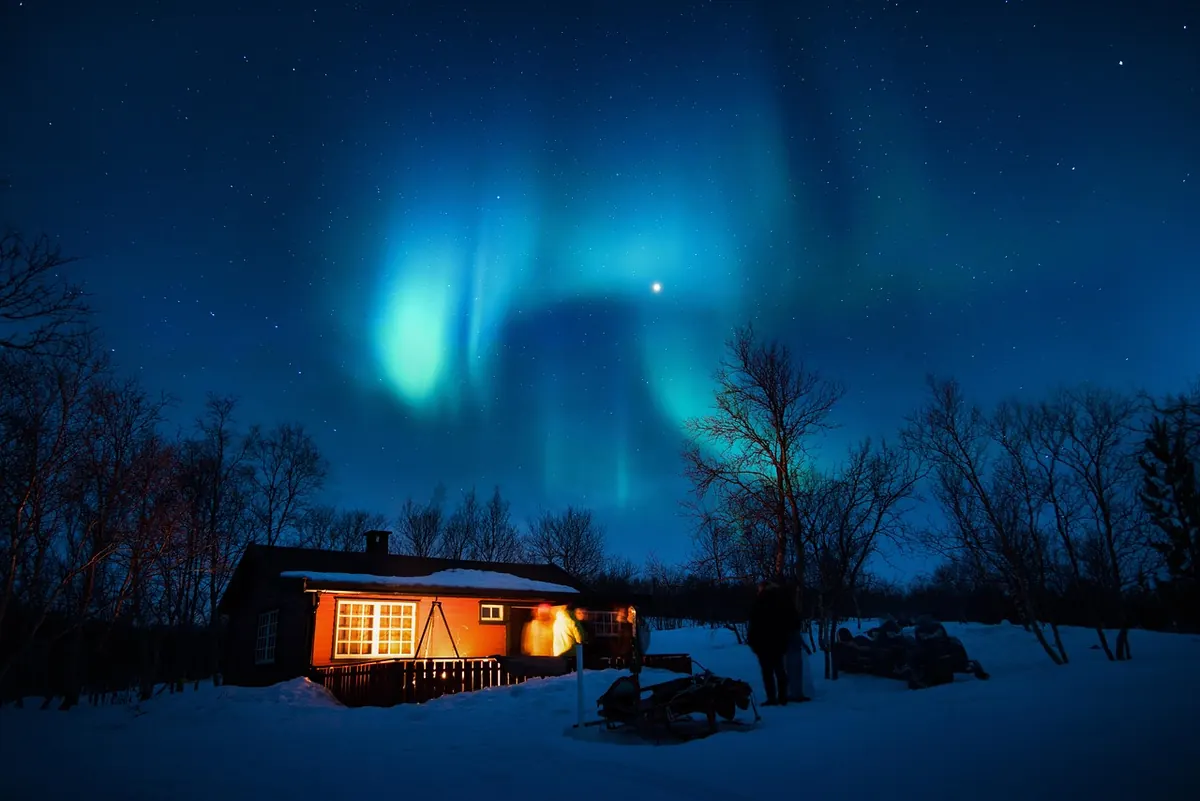
Shetland lives up to its reputation: wind, fast-changing cloud and horizontal rain are all possible in the same afternoon. Dress for the wind rather than the temperature. In midsummer the islands barely go dark — the local "simmer dim" — which makes for beautiful skies but washes out the visual drama of a launch, since you are watching a bright point climb through twilight rather than a beacon against black. From a distance you will see the streak first and hear a low rumble much later, if at all. Binoculars help more than a long lens; a tripod and a wide shot work well for photographs.
A practical checklist
- Follow the launcher and spaceport accounts directly, and turn on notifications.
- Check the forecast for the exact viewing spot, not the nearest town.
- Arrive in daylight, park legally, and plan your exit before the crowds arrive.
- Take layers, waterproofs, water, snacks, a torch, and a charged power bank.
- For photography, take a tripod and a wide lens; leave the extreme zoom at home.
- Have a backup plan — a museum, a coastal walk, a pub — for the likely scrub.
- Book flexible travel if a specific launch date is the reason for the trip.
Make the launch the bonus, not the whole plan
The most reliable way to enjoy UK launch watching
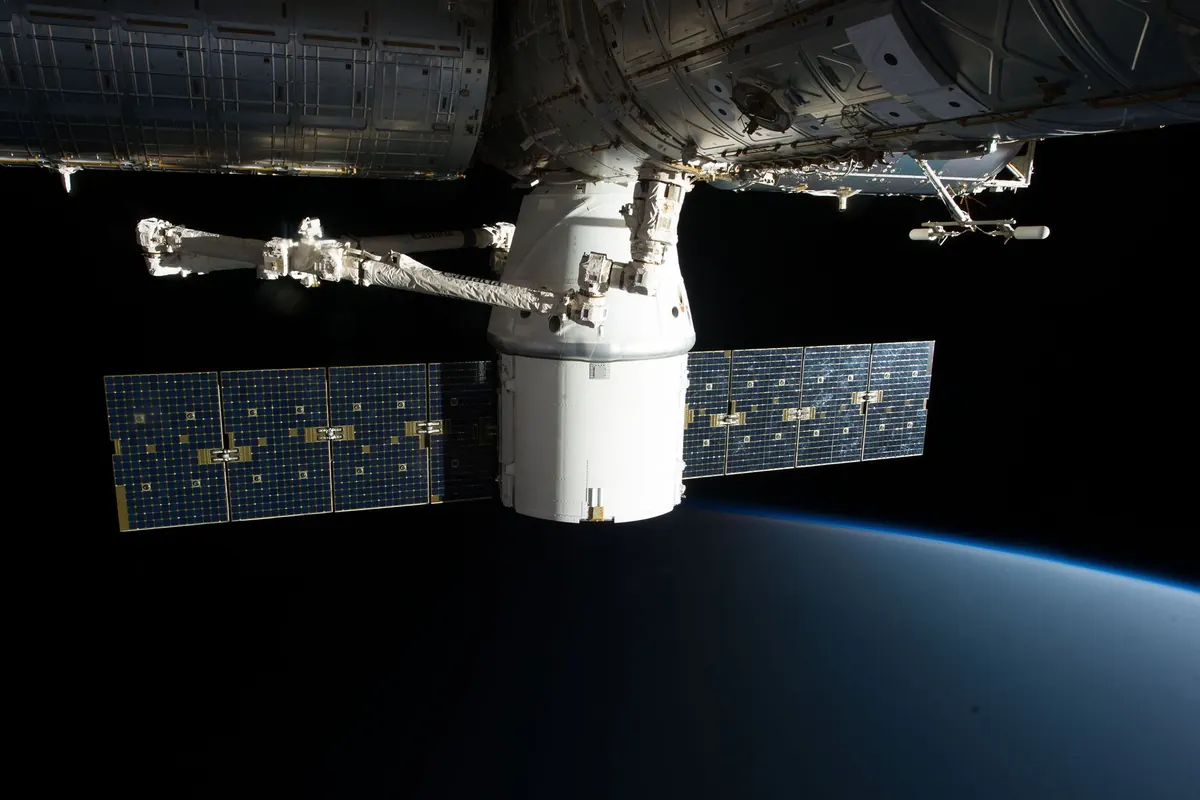
Photo: SpaceX-Imagery / Pixabay